
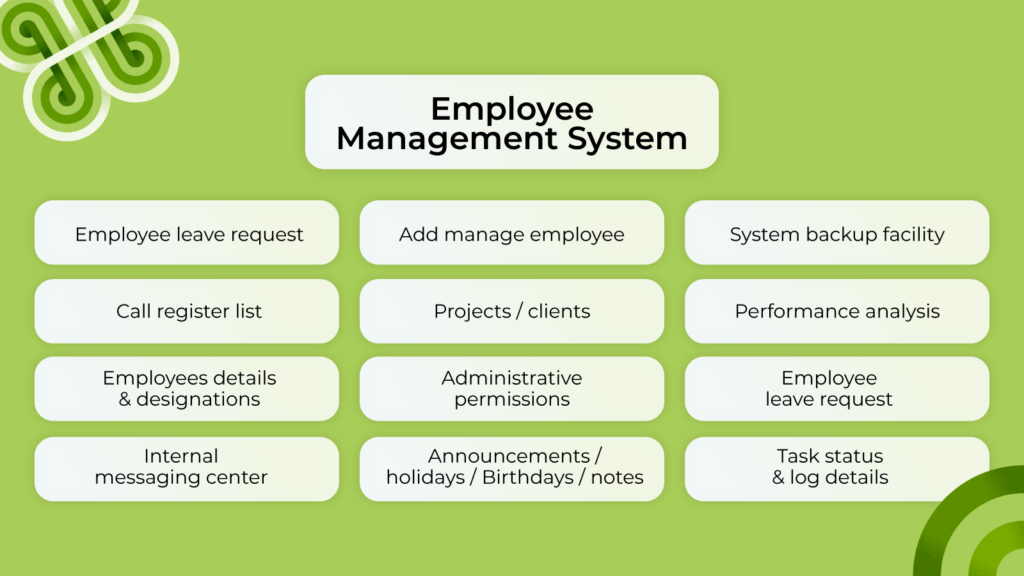
Sales teams have plenty on their plates. They have to find prospects then follow up with leads and do much more in between before closing deals. Small problems can quickly add up when all of this is handled without a clear system. A missed follow up or a delayed response can suddenly make a promising lead talk to a competitor. Employee management tools can help sales teams bring some order to this process. They give managers a clearer picture of how work happens while helping salespeople spend more time on activities that move deals forward.
Less time spent on routine work
Salespeople spend a surprising amount of time on tasks that have little to do with selling. Updating spreadsheets or preparing reports can eat into the working day. The right management tools can simplify some of these tasks. Managers can look at relevant work data in one place instead of asking employees for regular updates. This reduces unnecessary reporting while giving salespeople more time to speak with prospects.
Better follow up with leads
Timing matters in sales. A lead that looks interested today may lose interest if nobody gets back to them in time. This is common when salespeople handle several prospects at once. Employee management tools help teams track workloads. Managers can spot when tasks are repeatedly being delayed. That makes it easier to redistribute work before leads start slipping through the cracks.
Understanding where time goes
A salesperson’s day rarely goes exactly as planned. A morning scheduled for prospect calls can disappear into internal meetings or administrative work. Tools that provide activity insights can show managers how employees spend their working hours. The goal should not be to watch every minute. The information can instead help identify patterns. The company can look for ways to simplify those processes if salespeople spend too much time on administrative tasks.
Keeping remote sales teams connected
Managing a sales team becomes more complicated when employees work across locations. Managers cannot walk over to someone’s desk to understand what is happening. Employee monitoring software provides visibility into work activity without relying entirely on constant updates. The tool helps managers understand whether workloads are balanced. The key is to use these tools for management than turning them into watching employees. Clear expectations and transparency matter just as much as the technology.
Turning data into better sales processes
The biggest benefit of employee management tools is not the amount of data they collect but what a sales team does with that information. Managers can identify repeated delays or areas where employees need training. These observations can lead to simpler processes along with better use of the sales team’s time. Sales success still depends on understanding customers so technology cannot replace those things. But when employee management tools remove some of the friction around selling, salespeople can spend more of their day finding opportunities while also closing deals. You can read here for more information if you are looking to understand how these tools work in practice.
