Making Sense of Your Data: A Student’s Guide to Analysis in SPSS

Written for university students in the UK and internationally. Conventions and terms vary between countries and institutions, so your own course handbook and your tutor’s guidance are always the final authority. For many students, collecting the data is the comfortable part. The anxiety starts when a spreadsheet of responses needs to become findings, and software like SPSS sits there waiting.… Continue reading Making Sense of Your Data: A Student’s Guide to Analysis in SPSS

How to Design Effective Rubrics for Classroom Assessments

Assessment is an essential part of teaching because it helps educators understand what students have learned, identify areas for improvement, and plan future lessons. However, grading assignments can become challenging when expectations are unclear or different students are evaluated using inconsistent standards. One practical solution is to use well-designed assessment rubrics. Designing effective assessment rubrics helps teachers communicate learning expectations,… Continue reading How to Design Effective Rubrics for Classroom Assessments

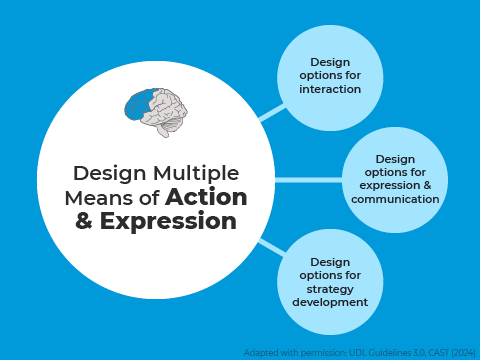
What Is Universal Design for Learning and How Does It Work?

Every classroom includes students with different strengths, interests, experiences, and learning needs. Some students understand new ideas most easily through diagrams and demonstrations, while others benefit from written explanations, discussion, or practical activities. Some learners need additional structure to begin a task, while others are ready for more independent challenges. When teachers rely on only one method of presenting information… Continue reading What Is Universal Design for Learning and How Does It Work?

How Peer Observation Helps Teachers Improve Their Practice

Effective teaching involves continuous learning, reflection, and a willingness to explore new approaches. Even experienced teachers can benefit from observing how colleagues explain concepts, manage classroom activities, encourage student participation, and respond to different learning needs. Sharing professional experiences can help educators recognize strengths, discover new strategies, and identify opportunities to improve their teaching. Peer observation for teachers is a… Continue reading How Peer Observation Helps Teachers Improve Their Practice

Understanding Action Research in Educational Settings

Education is constantly changing as teachers respond to new learning needs, classroom challenges, curriculum expectations, and student differences. Even experienced educators sometimes discover that a teaching strategy that worked well in one situation does not produce the same results in another. Understanding why these differences occur is an important part of professional growth. Action research in education provides teachers, school… Continue reading Understanding Action Research in Educational Settings

How Teachers Can Use Data to Improve Student Learning

Student learning improves when teachers understand what learners know, where they struggle, and which teaching strategies help them make progress. While classroom experience and professional judgment remain essential, evidence from assessments, assignments, classroom discussions, and student reflections can help teachers make more informed instructional decisions. Data driven instruction in education is an approach that uses evidence about student learning to… Continue reading How Teachers Can Use Data to Improve Student Learning

How Outdoor Education Supports Experiential Learning

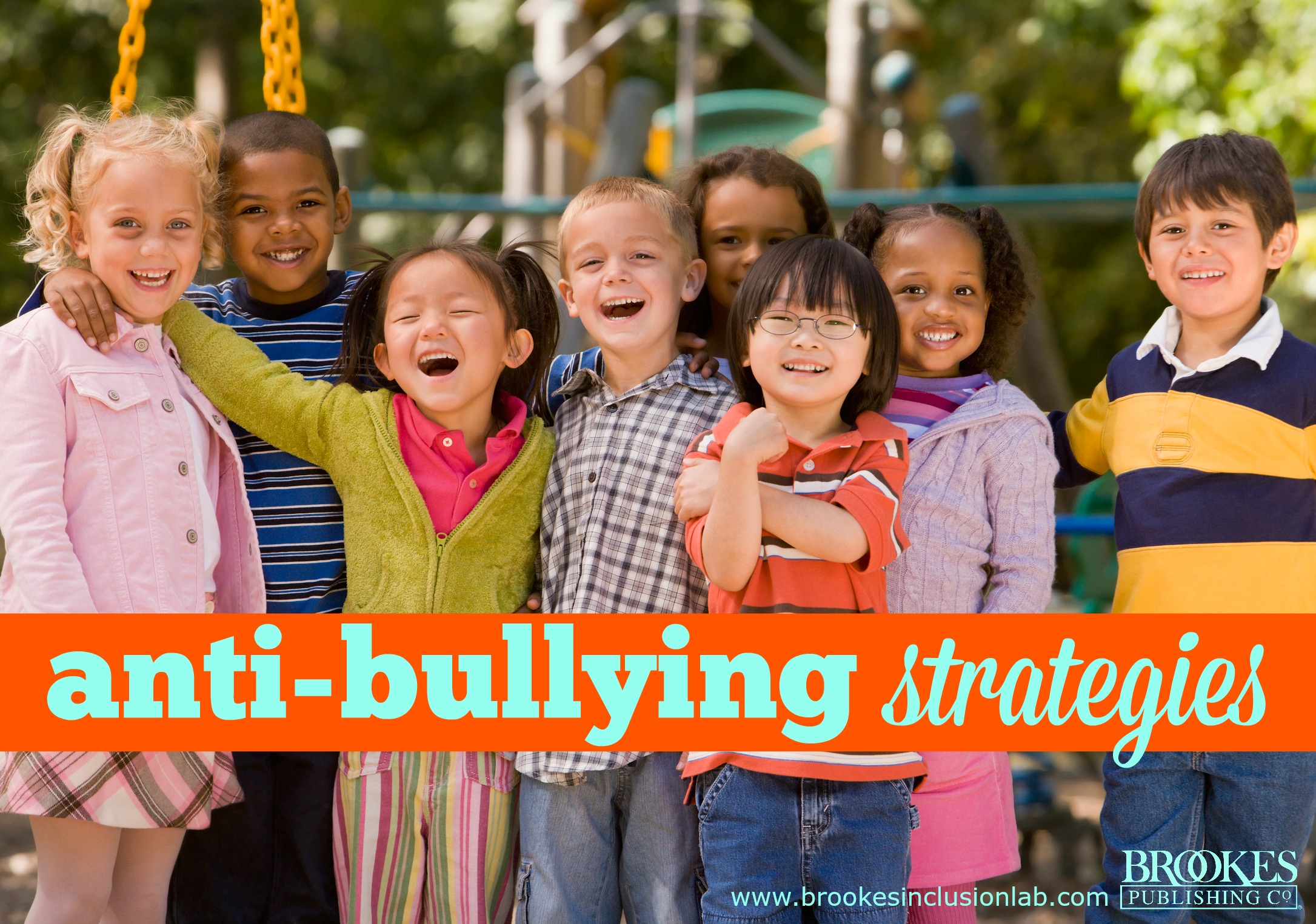
Multi-ethnic children at playground

Introduction Learning does not have to take place entirely inside a classroom. Some of the most meaningful educational experiences happen when students explore their surroundings, observe natural processes, investigate real problems, and participate in hands-on activities. From studying plants in a school garden to measuring shadows on a playground, outdoor experiences can turn abstract academic concepts into practical discoveries. Outdoor… Continue reading How Outdoor Education Supports Experiential Learning

Understanding Competency-Based Education and Its Applications

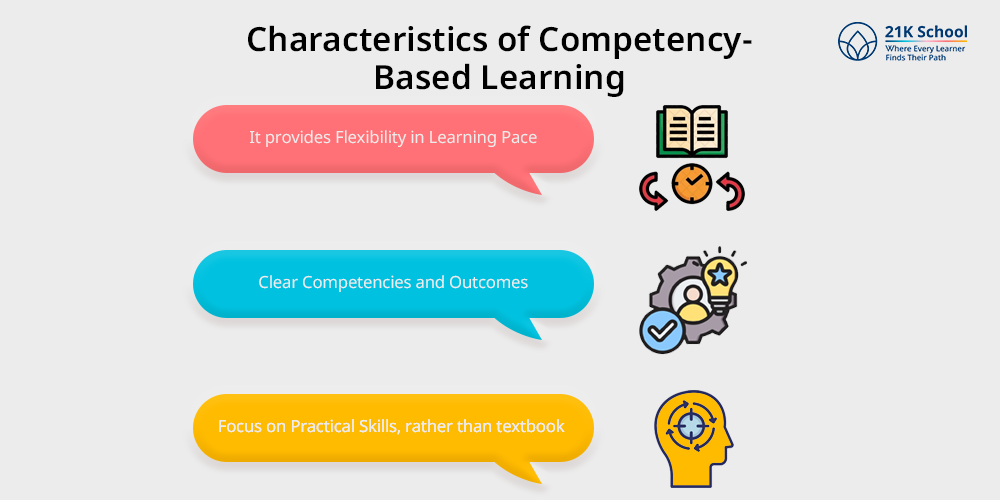
Introduction Education is most effective when students can do more than memorize information. They should be able to understand concepts, apply their knowledge, solve problems, and demonstrate the skills they need in real-life situations. However, students learn at different speeds, have different strengths, and often need different levels of support to achieve the same learning goals. Competency-based education (CBE) addresses… Continue reading Understanding Competency-Based Education and Its Applications

How Inquiry-Based Teaching Encourages Student Curiosity

Curiosity is one of the most powerful drivers of learning. When students ask questions, investigate unfamiliar ideas, and search for explanations, they become active participants in their education. Instead of simply memorizing information presented by a teacher, they begin to explore how knowledge is developed, how evidence supports conclusions, and how concepts connect to the world around them. Inquiry-based teaching… Continue reading How Inquiry-Based Teaching Encourages Student Curiosity

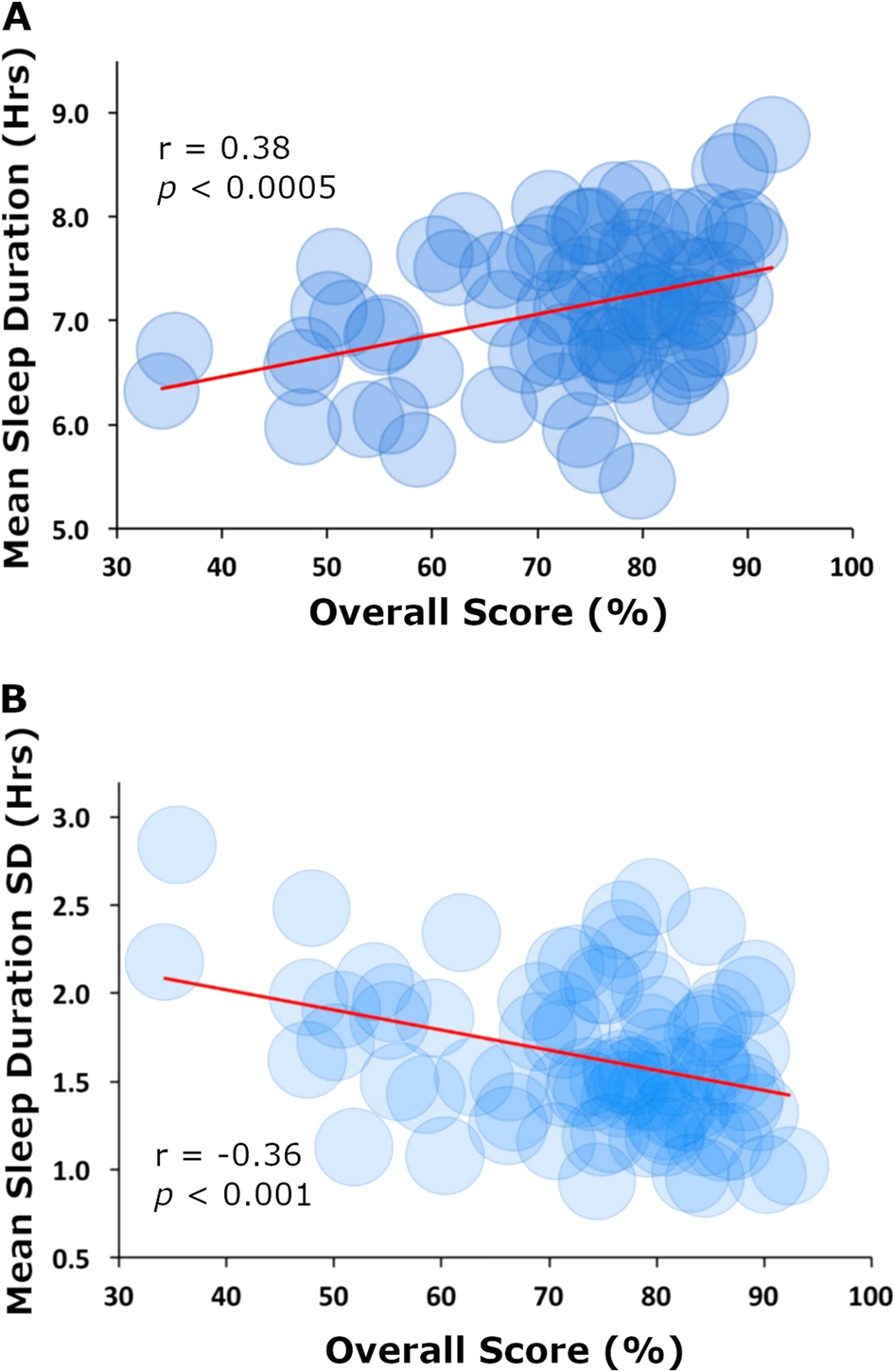
Understanding the Connection Between Sleep and Academic Performance

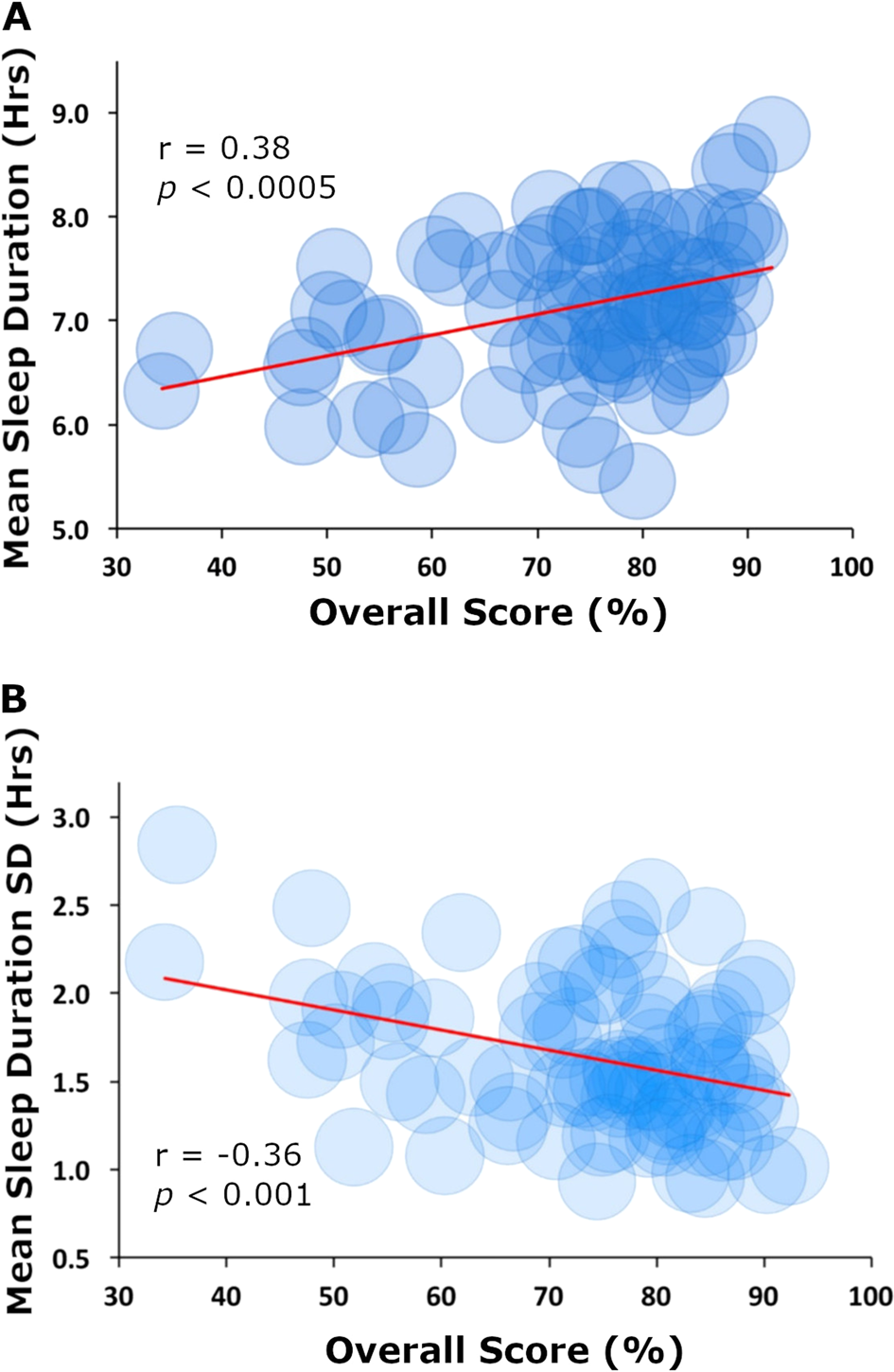
Academic success depends on more than attending classes, completing assignments, and studying for examinations. Students also need sufficient rest to concentrate, understand new information, remember important concepts, and manage the demands of school. One of the most important factors supporting these abilities is sleep. The relationship between sleep and academic performance is an important topic for students, parents, teachers, and educational… Continue reading Understanding the Connection Between Sleep and Academic Performance