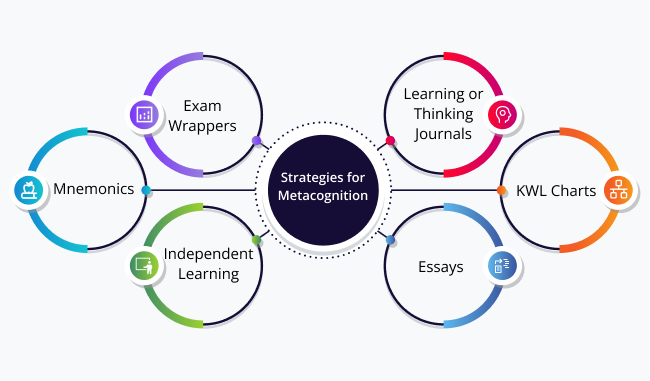
How Metacognition Helps Students Become Independent Learners

Successful learning involves more than memorizing facts, completing assignments, or preparing for examinations. Students also need to understand how they learn, recognize when they are confused, choose appropriate study methods, and evaluate whether their efforts are producing results. These abilities help learners become more confident, organized, and independent. This is where metacognition becomes important. Metacognition is the process of thinking… Continue reading How Metacognition Helps Students Become Independent Learners

The Science Behind Learning Through Repetition and Practice

Learning something new rarely happens in a single attempt. Whether students are learning multiplication, developing reading fluency, studying a foreign language, or understanding a complex scientific concept, improvement usually comes through repeated exposure and purposeful practice. However, simply repeating the same activity does not always lead to lasting learning. The way practice is organized can make a significant difference. The… Continue reading The Science Behind Learning Through Repetition and Practice

Understanding Cognitive Development in School-Age Children

Introduction Children develop new ways of thinking, learning, remembering, and solving problems as they progress through school. They gradually become better at understanding complex ideas, organizing information, asking meaningful questions, and applying knowledge to different situations. These changes are part of cognitive development, an important aspect of children’s overall growth. Cognitive development in school children refers to the gradual development… Continue reading Understanding Cognitive Development in School-Age Children

Practical Ways to Make Science Lessons More Engaging

Introduction Science helps students understand the natural world, investigate everyday problems, and discover how things work. However, science lessons can become difficult to follow when students spend most of their time memorizing definitions, copying notes, or listening to explanations without opportunities to explore ideas themselves. To develop genuine scientific understanding, learners need opportunities to ask questions, test possibilities, discuss evidence,… Continue reading Practical Ways to Make Science Lessons More Engaging

Robotics Education: Benefits, Activities, and Learning Outcomes

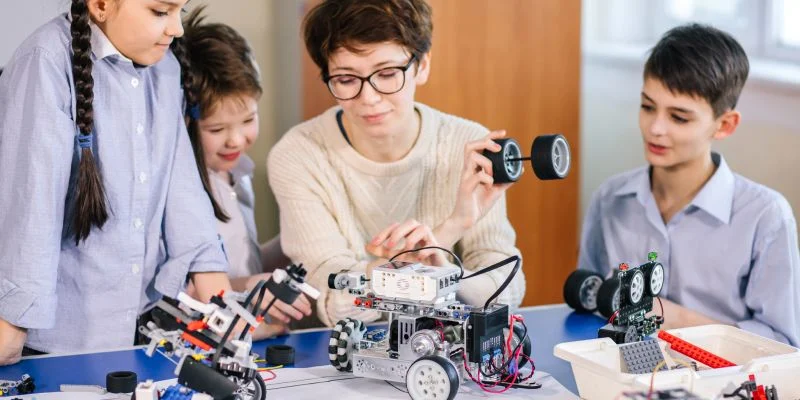
Introduction Technology is transforming how students learn, solve problems, and prepare for future careers. As schools look for practical ways to develop digital skills, robotics has become an increasingly valuable part of modern education. By combining science, technology, engineering, mathematics, and programming, robotics gives learners opportunities to turn theoretical concepts into practical projects. Robotics education for students involves designing, building,… Continue reading Robotics Education: Benefits, Activities, and Learning Outcomes

Understanding the Education System in the United States

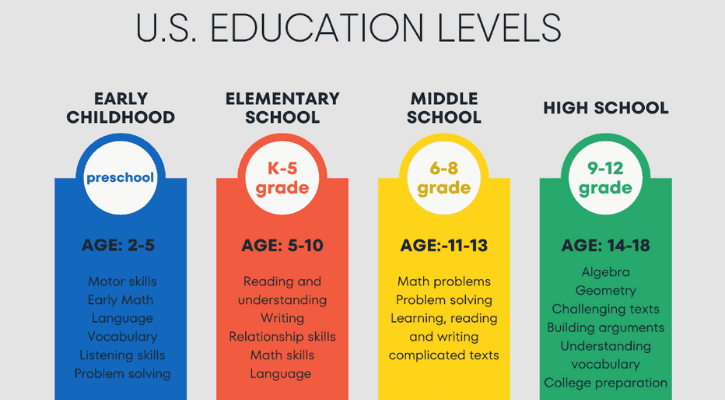
The education system in the United States is one of the largest and most diverse in the world. It includes public and private schools, colleges, universities, community colleges, vocational institutions, and specialized training programs. Although the overall structure is similar across the country, education policies can vary from one state and school district to another. For international students and families,… Continue reading Understanding the Education System in the United States

How Coding Education Helps Children Develop Logical Thinking

In today’s digital world, children interact with technology from an early age. They use digital devices for learning, communication, entertainment, and creative activities. However, understanding how technology works is just as valuable as knowing how to use it. Coding education gives children an opportunity to move beyond being technology users and become creators who can solve problems, test ideas, and… Continue reading How Coding Education Helps Children Develop Logical Thinking

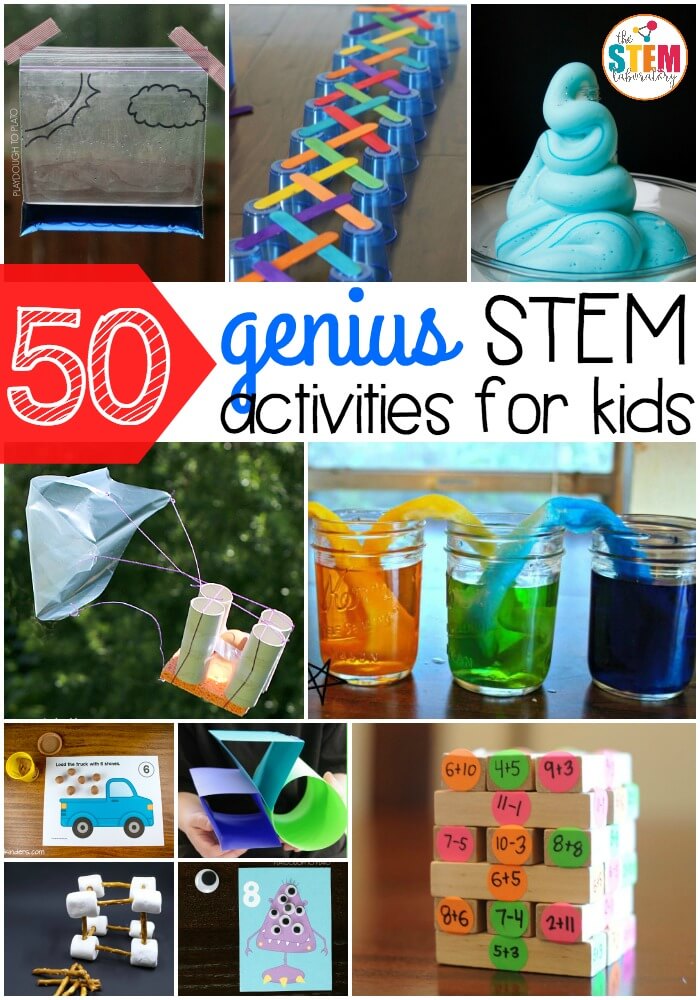
Simple STEM Projects Students Can Build at Home

Learning science, technology, engineering, and mathematics does not have to happen only in a classroom or laboratory. Students can explore these subjects at home through simple experiments, creative building challenges, and practical activities that encourage curiosity. With everyday materials such as paper, cardboard, water, string, cups, and recycled containers, young learners can investigate scientific concepts and develop useful problem-solving skills.… Continue reading Simple STEM Projects Students Can Build at Home

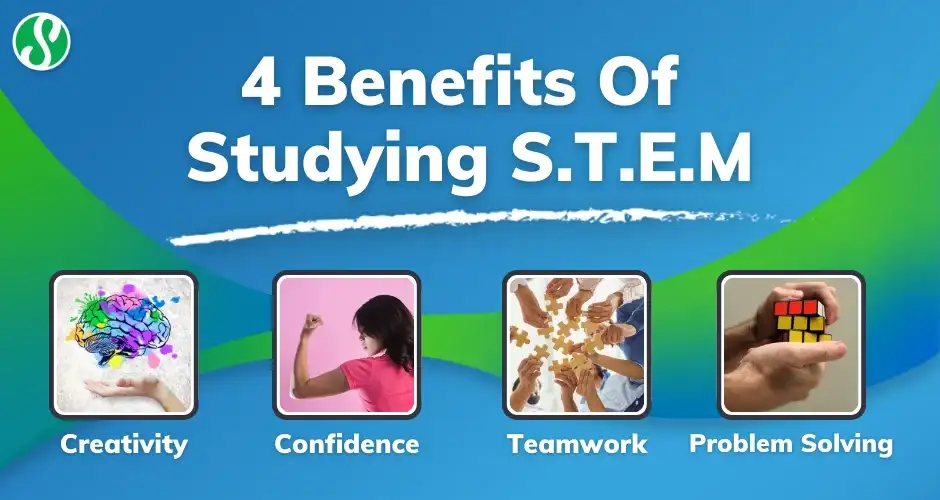
Why STEM Education Matters for the Next Generation

Education is changing rapidly as technology, scientific discovery, and innovation continue to shape everyday life. Students need more than the ability to memorize facts or pass examinations. They also need to understand complex problems, think critically, work with others, and apply their knowledge to real-world situations. This is where science, technology, engineering, and mathematics play an important role. The importance… Continue reading Why STEM Education Matters for the Next Generation

How Gamification Can Improve Classroom Participation

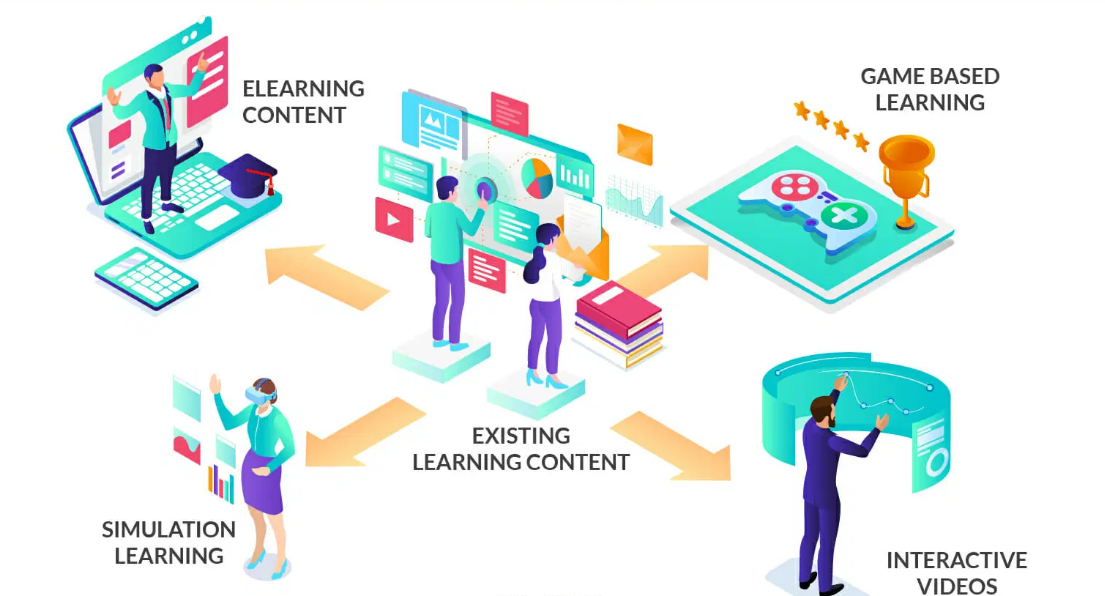
Keeping students engaged during lessons is one of the most common challenges teachers face. Some students participate actively in discussions, while others hesitate to answer questions, contribute to group activities, or ask for help. Traditional teaching methods remain valuable, but educators can also explore creative approaches that encourage more students to become involved in learning. One approach gaining attention is… Continue reading How Gamification Can Improve Classroom Participation